

If you’re wondering how to stop micromanaging your team, the fact that you’re asking the question is already a good sign. Most micromanagers don’t realise they are one. They think they’re being thorough, or maintaining standards, or keeping the business on track. They’re creating a team that can’t move without permission and a business that can’t run without them.
That’s not the business you wanted.
Why micromanaging happens in the first place
It’s rarely about wanting to control people for the sake of it. More often, micromanaging comes from a genuine fear that things will go wrong if you step back.
You might worry that no one will do it as well as you. You might have been let down before. You might not yet trust the people you’ve hired, or you might not feel confident enough as a manager to hand things over and let go.
These are understandable concerns. But they’re worth examining honestly, because the longer you hold on, the harder it becomes to build a team that functions without you doing everything yourself.
If you’re not sure whether your instincts here are rooted in a genuine performance issue with someone on your team or in your own discomfort with delegation, that distinction matters. The solution to each one is different.
What micromanaging is costing you
When you spend your energy scrutinising every task and second-guessing every decision your team makes, a few things happen.
First, your people stop thinking for themselves. Why would they? Every time they make a call, you override it. Over time, they learn to wait for your input rather than use their own judgement. That creates the very dependence you’re frustrated by.
Second, motivation drops. Nobody wants to feel like they’re not trusted to do the job they were hired to do. It’s demoralising. And when people feel demoralised, productivity follows.
Third, and perhaps most importantly for you as a business owner, you never get your head up. You’re so deep in the detail that you lose sight of the bigger picture. The things that will actually grow your business don’t get your attention because you’re too busy monitoring the smaller things.
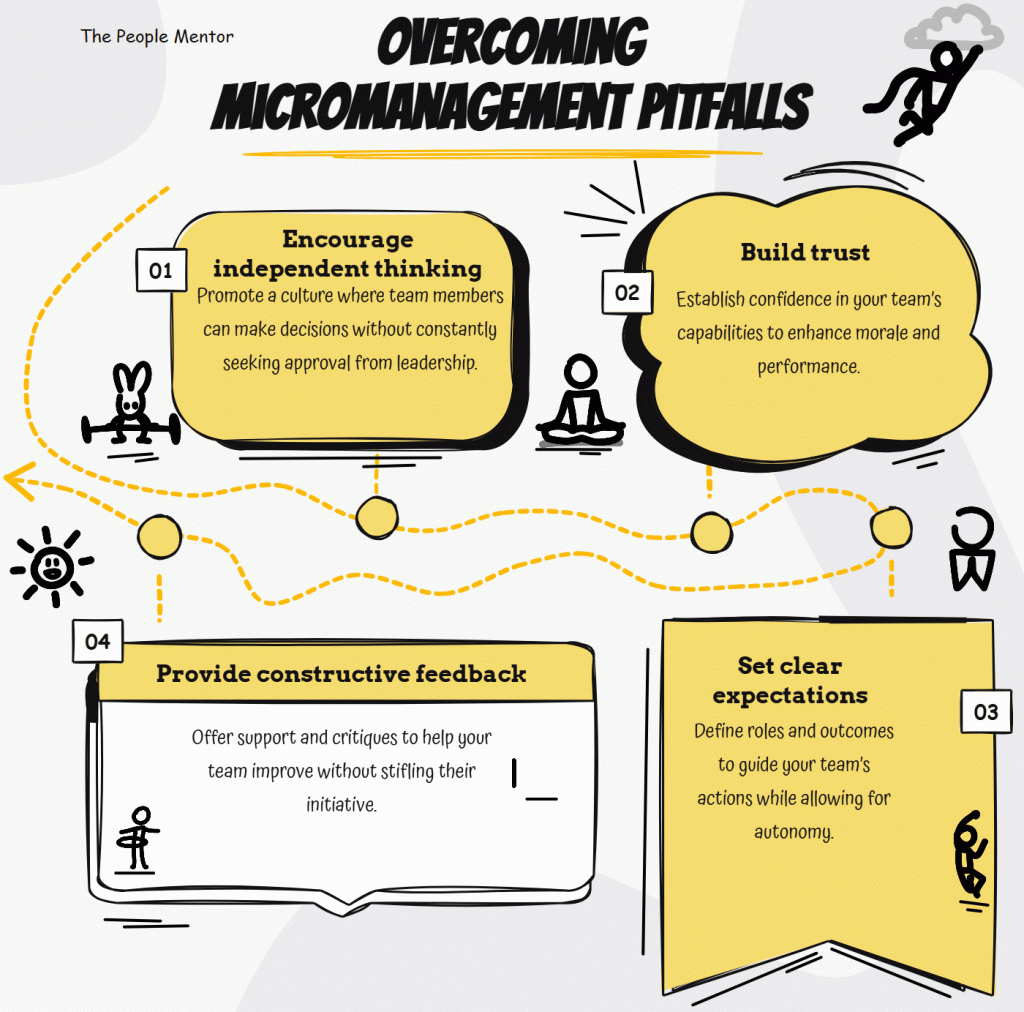
How to stop micromanaging: five practical steps
There’s no quick fix here. But there are some clear places to start.
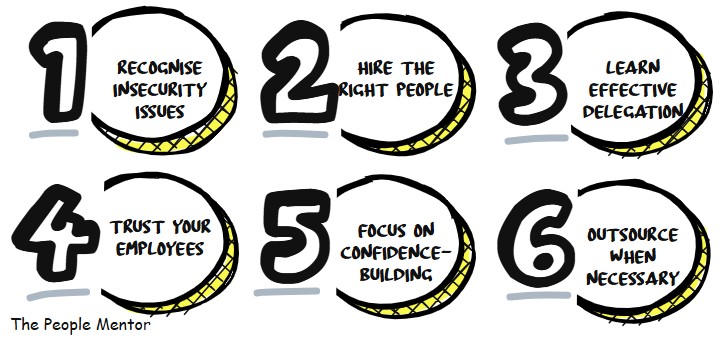
Understand why you’re doing it
This is the step most people skip. Before you change what you do, it helps to understand what’s driving it.
Is it a lack of confidence in your own management ability?
A fear of losing control? A past experience where something went wrong when you delegated?
Or is there a genuine performance gap on your team that needs addressing separately?
Being honest with yourself about this, or getting an outside perspective if that’s easier, gives you something to actually work with.
Otherwise, you’re just trying to override an instinct without understanding where it comes from.
Hire people you can actually trust
This matters more than most business owners admit. If the people around you are not the right fit, not confident in their role, or not clear on what good looks like, of course you’re going to feel the need to step in constantly.
Hiring well, both in terms of skills and in terms of how someone works, reduces the temptation to micromanage significantly. And when you have someone in the team who is clearly capable, take notice.
They’re often the person you should be delegating to more, not less.
Learn to delegate properly
Delegation is not just handing work to someone and hoping for the best.
It’s identifying which tasks genuinely no longer need to be done by you, being clear about the outcome you want, and then getting out of the way.
As your business grows, there will always be tasks that outgrow your capacity to carry them. That’s a good sign. It means the business is moving. The question is whether you’re ready to let those tasks belong to someone else.
If specialist work is involved, outsourcing is also worth considering. Not every gap has to be filled by a direct hire.
Give your team room to think
Your team members will not always approach things the way you would. That does not automatically mean they’re doing it wrong.
When you give people space to contribute ideas, work through problems, and take ownership of their part of the business, something shifts.
They become more engaged. They feel trusted. And they start to bring more of themselves to the work, which is what you actually want.
There will be mistakes as people settle into more autonomy. That’s normal. What you’re building is a more capable, more motivated team, and a business that does not depend entirely on you.
Keep the focus on outcomes, not methods
One of the most practical shifts you can make is moving from managing how work gets done to being clear about what a good result looks like.
When your team knows what success looks like and has the skills and confidence to get there, they need you less in the process. That’s not a loss of control. That’s a business that’s starting to work properly.
It’s your business, but it shouldn’t be your everything
You built this business. That means it’s personal, and it means the standards matter to you.
But if it can only run because you’re everywhere at once, that’s not a business with a future. That’s a trap.
Learning how to stop micromanaging is really about learning to trust, delegate, and build something that can operate beyond you. It takes time, and it takes some discomfort. But the alternative is burning yourself out trying to do everything and ending up with a team that has stopped trying to do anything.
Which version of your business do you want to be running in two years?
If you’re a small business owner who knows the micromanaging needs to stop but you’re not sure where to start, that’s exactly what I work on with the managers inside The Manager’s Academy. Practical support, real conversation, and no generic advice that doesn’t apply to your situation.
And if this has made you think about someone in your team who could do with some support stepping into more responsibility, I’d love to hear about it.